
Key takeaways
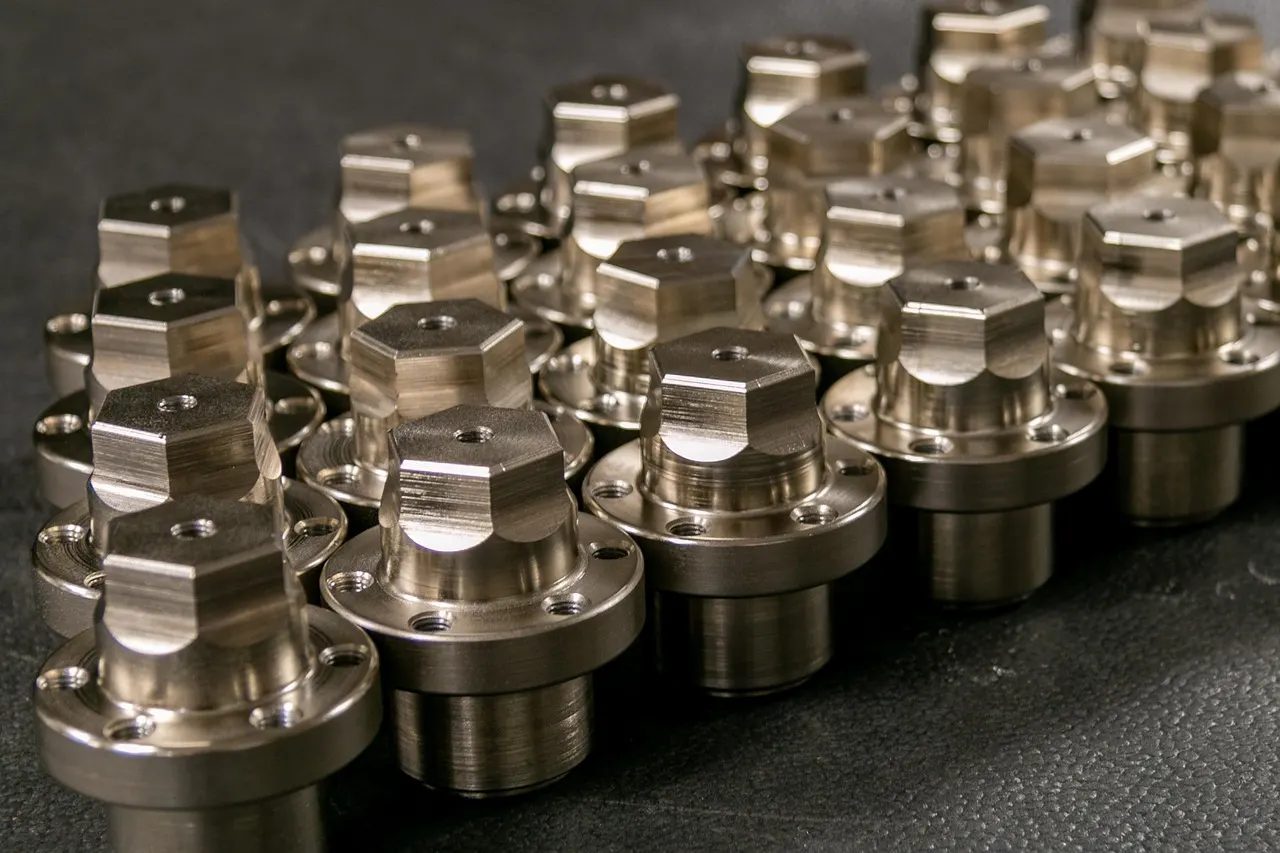
- Low volume usually means 1 to a few thousand units, often without dedicated hard tooling.
- Bridge tooling and CNC machining carry higher unit cost but remove minimum order quantity risk.
- Tolerance drives cost faster than volume does; specify only what the assembly needs.
- Ask for the inspection report format and sample size before you place the order.
- Quote lead time and production lead time are separate numbers; confirm both in writing.
Low volume manufacturing is production of a small number of finished parts, typically from one unit to a few thousand, using processes that do not require dedicated hard tooling or long setup commitments. The exact ceiling depends on the part and the process. A machined aluminium bracket may stay economic at several thousand units per year, while an injection molded housing usually moves to steel tooling once annual volume justifies the mold cost.
Understanding what low volume manufacturing is and when to use it matters most when you are comparing suppliers. The decision is not only about unit price. It is about how much capital you tie up in tooling, how fast you need parts, and how likely the design is to change after the first build.
This guide covers process fit, tolerances, cost drivers, quality control and supplier auditing, so you can send a complete RFQ instead of a partial one.
What low volume manufacturing actually means in practice
In practice, low volume production sits between prototyping and mass production. It shares the flexibility of prototyping but carries the documentation, inspection and repeatability expectations of series production. That combination is what separates a serious low volume supplier from a workshop that only makes one-off samples.
Volume bands are not fixed, but buyers commonly use these ranges when planning:
- Single unit to 50: functional prototypes, fit checks, engineering validation.
- 50 to 500: pilot builds, clinical or field trials, trade show units, early customer shipments.
- 500 to a few thousand: bridge production before hard tooling is committed, or stable low-demand products.
The key distinction is tooling. Processes that cut material away or build parts additively avoid mold investment entirely. Processes that form material into shape need a tool, and that tool cost has to be spread across the batch. Low volume manufacturing usually means choosing the first category, or accepting a cheaper, shorter-life tool in the second.
Which processes suit small batch production
Process choice sets your achievable tolerances, surface finish and material options before price is even discussed. The table below compares the common routes for small batch manufacturing at a supplier that runs several processes under one roof.
| Process | Typical low volume fit | Tooling requirement | General tolerance expectation | Best for |
|---|---|---|---|---|
| CNC machining | 1 to several thousand units | None; programming and fixtures only | Tight, controlled by machine and setup | Metal and engineering plastic parts with defined geometry |
| Injection molding | Hundreds upward, or bridge tooling earlier | Mold required | Set by tool quality and material shrinkage | Repeatable plastic housings and connectors |
| Sheet metal fabrication | 1 to several thousand units | Laser and bend programs, simple fixtures | Dependent on bend sequence and gauge | Enclosures, brackets, chassis, panels |
| 3D printing | 1 to a few hundred units | None | Process dependent; verify on critical features | Complex geometry, jigs, early form checks |
| Vacuum casting | Tens to low hundreds | Silicone mold from a master pattern | Good for appearance and fit models | Urethane parts that mimic molded plastic |
| Die casting | Higher volumes, or shared tooling | Steel die required | Draft and wall thickness rules apply | Thin-wall metal parts at scale |
| Extrusion and gear machining | Profile runs and cut-to-length batches | Die for profile; none for cut gears | Set by die and cutter condition | Linear profiles, custom gears and shafts |
Many parts need more than one route. A machined prototype can validate a design, then move to bridge tooling once the geometry is stable. A supplier that offers machining, molding and sheet metal in one facility shortens that transition because the same team holds the drawing history.
When low volume manufacturing is the right call
Use small batch production when the cost of being wrong is higher than the cost per part. That covers several common situations:
- The design is not frozen and engineering changes are still likely.
- Demand is uncertain and you cannot justify mold or die investment.
- You need parts in days or a few weeks, not a full tooling cycle.
- The product is customized per customer or per configuration.
- You are running a pilot, trial or regulated validation batch.
- Annual demand is genuinely low and will stay low.
The reverse also holds. If the geometry is stable, annual volume is high, and unit cost dominates the business case, hard tooling pays back. Low volume manufacturing is not a permanent answer; it is the right answer for a specific stage.
What drives cost in a low volume order
Unit price in small batch work is driven by setup and engineering, not by material volume. Buyers who understand the drivers can often cut cost without changing the design intent.
- Programming and setup time: CAM work, fixture design and first-article checks are charged once and spread across the batch.
- Tolerance and inspection level: tighter limits mean slower passes, more checks and sometimes a different machine.
- Material grade and stock availability: an uncommon alloy or a specific polymer may need to be ordered in, adding lead time and cost.
- Feature complexity: deep pockets, thin walls, sharp internal corners and undercuts all require extra operations.
- Surface finish and post-processing: anodizing, bead blasting, plating and painting add handling steps and outside lead time.
- Tooling amortization: where a mold or die is needed, its cost is divided across the batch, so smaller batches carry a higher share per part.
- Quantity breaks: the second hundred parts usually cost far less than the first, because setup is already paid.
A useful rule: ask the supplier to quote two quantities, for example 50 and 200 pieces. The difference in unit price shows you how much of the cost is fixed setup and how much is real per-part cost.
Quality inspection and tolerances in small batches
Low volume does not mean low inspection. It means inspection is proportionally more visible, because each part carries more of the batch value. Agree the inspection plan before production starts.
Confirm which dimensions are critical, what measurement method will be used, and what report you will receive. For machined parts, that usually means dimensional reports from calibrated instruments and first article inspection on the initial unit. For molded parts, it means checking the first shots against the drawing and confirming which features are tool-limited.
Tolerances should follow function. Specify tight limits only on features that mate with other parts or affect performance. General tolerances on non-critical surfaces keep cost down without compromising the assembly. If a drawing shows a blanket tight tolerance across every dimension, expect the quote to reflect it.
Ask how non-conforming parts are handled, who approves deviations, and whether the inspection records are retained and traceable to your order. A supplier that answers these questions in writing before the order is a lower risk than one that answers them after a problem appears.
How to choose and audit a low volume supplier
Supplier selection for small batches leans on responsiveness and process breadth as much as price. Use these criteria when comparing quotes:
- Process coverage: can they machine, mold and fabricate, or will your part be subcontracted without your knowledge?
- Minimum order quantity: confirm whether one unit is genuinely accepted, and at what price.
- Quote turnaround and production lead time: treat these as two separate commitments.
- Equipment list: ask which machines and controls will run your part.
- Inspection capability: which measuring instruments are on site and how are they calibrated?
- Material traceability: can they show mill certificates or batch records for the material used?
- Communication: who is your engineering contact, and how fast do drawing questions get answered?
- Factory access: can you visit, or receive a video walkthrough of the relevant production area?
For an audit, start with a drawing review call. A good supplier raises manufacturability questions before quoting, not after. Ask for a sample inspection report, a typical project timeline and the name of the engineer who will own your order. If the supplier is overseas, confirm how shipping, duties and Incoterms are handled and who is responsible at each stage.
Preparing an RFQ that gets a usable quote
Most slow quotes are caused by incomplete input, not supplier workload. Include 2D drawings with tolerances and critical dimensions, a 3D model, material grade and surface finish, quantity with a second break point, target date, and any inspection or documentation requirements. State which features are cosmetic and which are functional. With that package, a supplier can quote accurately and flag risks early.
JX Manufacturing runs CNC machining, injection molding, sheet metal fabrication, 3D printing, extrusion, die casting, vacuum casting and gear machining from its factory in Dongguan, Guangdong, with no minimum order quantity and quotes returned within 24 hours. If you are comparing suppliers for a pilot or bridge build, upload your CAD and drawings to request a quote and a manufacturability review.
FAQ
What is considered low volume manufacturing?
It generally means runs from a single unit up to a few thousand parts, produced without dedicated hard tooling or with short-life bridge tooling. The upper limit depends on the process and part. Machined parts often stay economic at several thousand units a year, while molded parts usually move to steel tooling once annual volume justifies the mold cost.
When should I use low volume manufacturing instead of mass production?
Use it when the design is not frozen, demand is uncertain, you need parts quickly, or the product is customized per order. It also fits pilot builds and regulated validation batches. If geometry is stable and annual volume is high, hard tooling usually wins on unit cost, so the decision is about timing and risk.
Is low volume manufacturing more expensive per part?
Yes, usually. Setup, programming, fixture design and inspection are fixed costs spread across fewer units, so each part carries more of them. Tooling amortization adds further cost where a mold or die is required. Asking for quotes at two quantities shows how much of the price is fixed setup versus real per-part cost.
What tolerances can I expect on a small batch order?
Achievable tolerance depends on the process, machine and material rather than the batch size. Machining generally holds tighter limits than molding or casting. Specify tight tolerances only on mating and functional features, and confirm with the supplier which dimensions will be inspected and how, before production begins.
How do I audit a low volume supplier before ordering?
Start with a drawing review call and see whether manufacturability questions come before the quote. Request a sample inspection report, the equipment list, material traceability records and a typical project timeline. Confirm quote turnaround, production lead time and shipping terms in writing, and ask who your engineering contact will be.