
Key takeaways
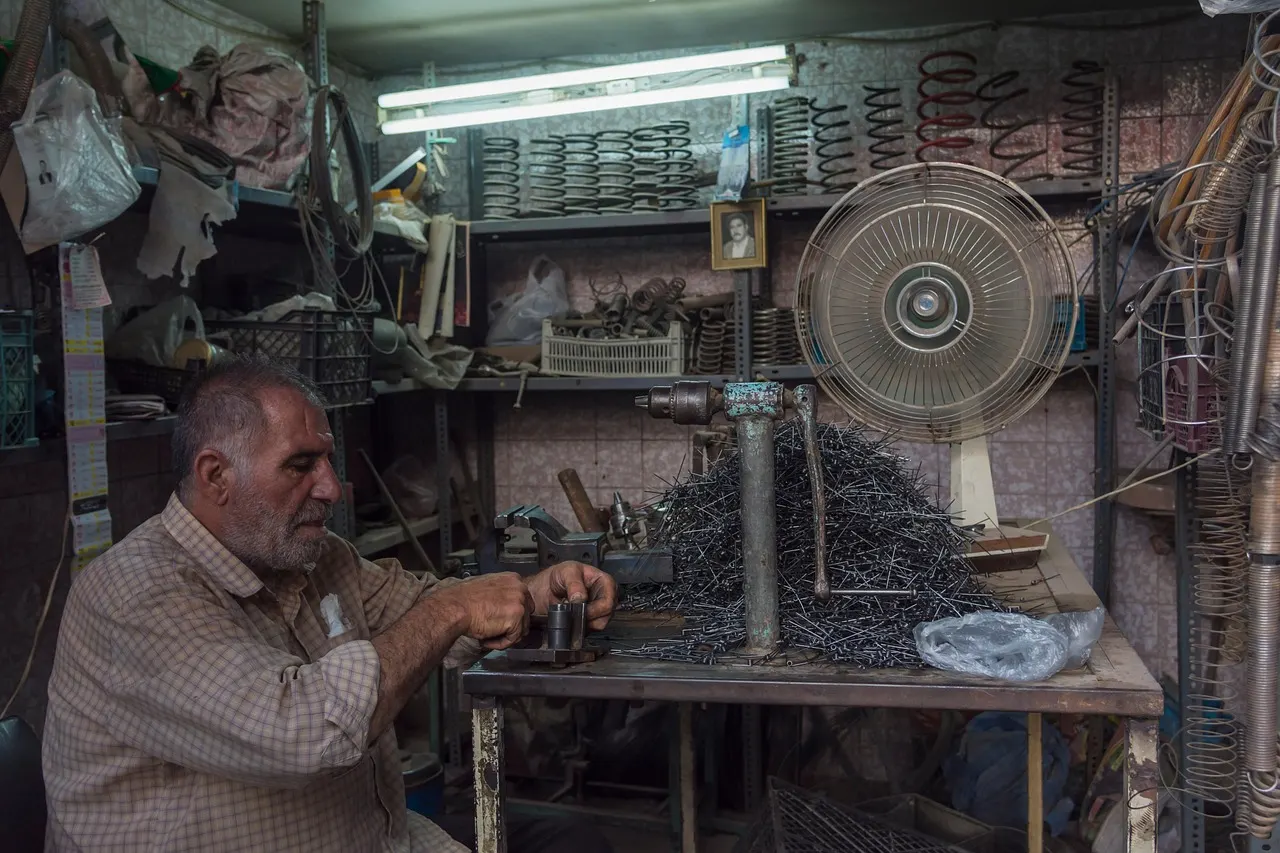
- Coil springs are formed from spring wire by coiling, then heat treated, ground and load tested.
- Wire diameter, spring index and end type drive both fatigue life and unit cost.
- Compression springs typically hold free length within roughly ±1% to ±2% under standard tolerances.
- Stress relief after coiling is not optional; it restores fatigue life lost during cold forming.
- Ask for load-deflection test data and material certs before approving a spring supplier.
Coil springs look simple: a wire wound into a helix. The manufacturing sequence behind them is less simple. Wire grade, coiling method, heat treatment and end grinding each change the spring rate, fatigue life and dimensional accuracy you receive.
This guide explains how are coil springs made step by step, in the order a shop actually runs the job. It also covers the tolerances to expect, what drives cost, and the checks to run before you approve a supplier. That is the information you need before sending an RFQ.
The process below applies to compression, extension and torsion springs. The steps are the same; the tooling and end configurations differ.
Step 1: Define the spring duty and choose the wire
Every spring starts as a specification, not a coil. The engineer fixes the working load, travel, available envelope and cycle count. From those inputs the shop calculates wire diameter, mean coil diameter and active coil count to hit the target spring rate.
Material selection follows the duty. Carbon spring steel covers general mechanical use. Stainless grades suit moisture and mild corrosion. Chrome-silicon and chrome-vanadium grades hold load at higher temperatures and under cyclic stress.
Wire arrives in coils with a mill certificate stating grade, diameter and tensile strength. Good shops verify diameter on receipt. A wire that is undersized by a few hundredths of a millimetre shifts the spring rate measurably.
Step 2: Coil the wire
Coiling forms the helix. Two methods dominate production.
- Cold coiling feeds wire through feed rollers and bends it against tooling pins. It suits wire up to roughly 12 mm diameter and gives high output with tight repeatability.
- Hot coiling heats the wire before forming. It is used for heavy wire and large springs where cold forming would crack the surface.
For prototypes and low volumes, a CNC coiler can run without dedicated cam tooling. That shortens setup and makes small batches economical. For high-volume runs, dedicated tooling amortises across the order and holds cycle times down.
Pitch, end type and coil count are set at this stage. Closed and ground ends, closed ends and open ends each behave differently under load and carry different cost.
Step 3: Stress relief and heat treatment
Cold coiling leaves residual stress in the wire. Without relief, the spring loses free length and cracks earlier under cycling. Stress relief is a controlled low-temperature bake that relaxes those stresses without softening the wire.
Hot-wound and high-stress springs go further. They are quenched and tempered to restore hardness and toughness, then often shot peened. Shot peening puts the surface into compression, which delays fatigue crack initiation.
Heat treatment is where untracked shops cut corners. Ask for furnace records and cycle parameters. A spring that passes a dimensional check can still fail early if the tempering cycle was rushed.
Step 4: Grinding, setting and surface finishing
Compression springs that seat on a flat surface need ground ends. Grinding squares the end faces so the spring stands vertical and load transfers evenly. Poor grinding shows up as a spring that leans or wears the seat.
Many compression springs are also preset, or set. The spring is compressed to solid height once, which removes initial creep and stabilises free length. Extension springs get their hooks formed and positioned. Torsion springs get leg bends.
Finishing depends on the environment. Options include zinc or zinc-nickel plating, powder coating, phosphate and oil, and passivation for stainless grades. Coating thickness must be allowed for in the design envelope.
Step 5: Inspection, tolerances and load testing
Inspection closes the loop. A spring is only good if it meets dimension, load and life requirements together.
Dimensional checks cover wire diameter, outside and inside diameter, free length, coil count and end squareness. Load testing compresses the spring to a defined height and records the force. A load-deflection curve tells you more than a single point check.
Typical commercial tolerances for compression springs are shown below. Tighten them only where the application needs it, because tighter bands raise cost.
| Parameter | Typical commercial tolerance | Notes |
|---|---|---|
| Wire diameter | Per mill certificate, verified on receipt | Drives spring rate directly |
| Outside diameter | Roughly ±0.25 mm on small springs | Scales with coil size |
| Free length | Roughly ±1% to ±2% | Improves after presetting |
| Load at test height | Roughly ±10% standard, tighter on request | Load-deflection curve preferred |
| End squareness | Within a few degrees after grinding | Affects seating and wear |
For safety-critical springs, add fatigue testing and a first-article inspection report. Documented sample size and test height matter as much as the pass result.
What drives the cost of a custom coil spring?
Unit price is set by material, tooling, volume and inspection, not by coil count alone.
Wire grade is the first driver. Stainless and chrome-silicon grades cost more than plain carbon steel, and small-diameter or tight-tolerance wire carries a premium. Setup and tooling are the second driver. A short run spreads setup across few parts, so per-unit cost climbs. Volume is the lever: the same spring at higher quantity drops in price once tooling is amortised.
Tight tolerances and extra inspection add cost. A load band of ±5% needs more testing and more scrap than ±10%. Plating and coating add both cost and lead time, especially where masking is needed. Finally, end features such as ground ends, formed hooks or leg bends add operations.
A supplier quoting without asking about cycle life and environment is quoting a shape, not a spring. Share the duty and the quote becomes comparable.
How do I choose and audit a coil spring supplier?
Start with capability, then verify it. Ask what wire diameter range the shop coils, which materials it stocks, and whether heat treatment is in-house or subcontracted. Subcontracted heat treatment is fine if the furnace is qualified and records travel with the parts.
Audit the quality system next. Look for incoming wire verification, in-process checks during coiling, documented heat treatment cycles and final load testing. Ask to see a sample inspection report and a load-deflection curve for a part similar to yours.
Then test the commercial side. Confirm lead time for samples and for production, the minimum order quantity, and how changes are handled after approval. A supplier that answers these in writing is easier to hold to schedule. JX Manufacturing runs spring and wire-form work alongside CNC machining and sheet metal fabrication in Dongguan, so a spring can be quoted together with the housing it sits in.
Conclusion
Coil spring manufacturing is a short sequence with long consequences. Wire choice, coiling method, stress relief, grinding and load testing each decide whether the spring meets its duty or fails early.
If you have a spring drawing or a CAD model, send it with the working load, travel and environment. You will get a quote within 24 hours and a clear view of tolerances and lead time.
FAQ
What wire is used to make coil springs?
Most coil springs use carbon spring steel, stainless steel, chrome-silicon or chrome-vanadium wire. The choice depends on load, temperature and corrosion exposure. Carbon steel suits general mechanical use, stainless suits moisture, and chrome-silicon holds load under cyclic stress. Each coil arrives with a mill certificate stating grade, diameter and tensile strength.
How tight can coil spring tolerances be?
Commercial compression springs typically hold free length within about ±1% to ±2% and load at test height within roughly ±10%. Tighter bands, such as ±5% load, are possible but raise cost through extra testing and scrap. Wire diameter and outside diameter tolerances scale with spring size.
Why is heat treatment needed after coiling?
Cold coiling leaves residual stress in the wire. Stress relief relaxes that stress so the spring keeps its free length and resists fatigue cracking. Hot-wound and high-stress springs are quenched and tempered, and often shot peened, to restore hardness and put the surface into compression.
What is the lead time for custom coil springs?
Lead time depends on tooling, material availability and quantity. Simple springs on standard wire move fastest, while new tooling, special grades and plating add time. Ask for separate sample and production lead times in writing, and confirm them before approving the design.
How do I verify spring quality before mass production?
Request a first-article inspection report, material certificates and a load-deflection curve for a sample. Check dimensional results against the drawing and confirm the heat treatment cycle records. For safety-critical parts, ask for fatigue test data with the sample size and test height stated.