
Key takeaways
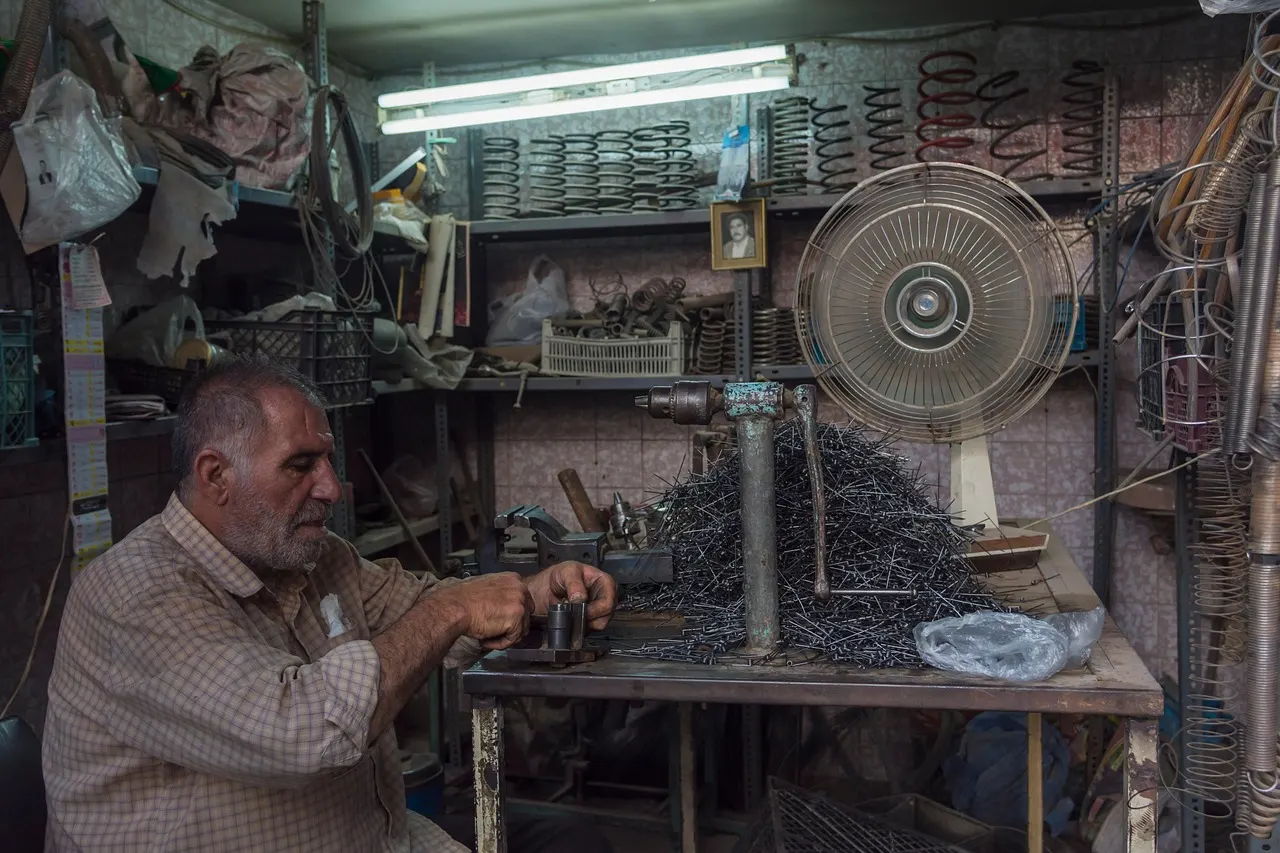
- Coil springs are formed from wire; flat springs are stamped or laser cut from strip.
- Tolerance tightness drives cost faster than material choice or order quantity.
- Spring rate depends on wire diameter, coil count and material shear modulus.
- Ask for a first-article inspection report and load test data with the quote.
- Prototype in days, production in weeks, when tooling is simple and wire is stocked.
The custom spring manufacturing process explained here starts with one fact: custom springs are among the few parts where a small process choice changes the whole cost structure. Wire diameter, coil count and end condition decide the rate. Forming method decides the tooling bill. Inspection method decides whether you find a bad lot at goods-in or at the assembly line.
This guide walks through the custom spring manufacturing process explained from a buyer's side of the table: what each step does, which tolerances are realistic, what moves the price, and what to ask before you send an RFQ. It is written for design engineers and sourcing leads comparing suppliers, not for a textbook.
JX Manufacturing runs spring and wire-forming work alongside CNC machining, injection molding and sheet metal fabrication at our factory in Dongguan, Guangdong. No MOQ, quotes within 24 hours, and global delivery in as few as 3 days on stocked materials.
What the custom spring manufacturing process involves
A spring order moves through six stages. Each one has a decision that affects the next.
- Design review: confirm load at installed height, travel, environment and cycle life. Flag anything that forces a non-standard wire.
- Material selection: music wire, stainless, oil-tempered, phosphor bronze or a high-temperature alloy, chosen against corrosion and temperature exposure.
- Forming: CNC coiling, wire forming, stamping or laser cutting from strip.
- End processing: closed, open or ground ends; hooks, loops, legs or bends; stress relief after forming.
- Heat treatment and finishing: stress relief, shot peening, plating, passivation or coating.
- Inspection and packing: dimensional check, load test, first-article report, then bulk pack or kitting.
Compression, extension and torsion springs all follow this route. Flat springs and wire-form parts skip coiling and start at stamping or laser cutting, but the review and inspection steps stay the same.
Process capability and realistic tolerances
Spring tolerances are not a single number. They are a stack: wire diameter tolerance, coil diameter, free length, coil count, end squareness and load at a stated height. Buyers who quote only free length usually get parts that will not seat.
As a rule of thumb, load tolerance is the hardest to hold and the most expensive to tighten. Standard commercial coils typically hold load within a few percent of nominal. Precision coils for instruments or medical devices need tighter control, and that means in-process gauging rather than end-of-line sampling.
| Spring type | Typical forming method | Best for | Tolerance pressure |
|---|---|---|---|
| Compression coil | CNC coiling from wire | Energy storage, suspension, valves | Load at height, free length |
| Extension coil | CNC coiling with formed hooks | Return mechanisms, tensioning | Hook geometry, initial tension |
| Torsion coil | CNC coiling with legs | Hinges, latches, dampers | Leg angle, torque at rotation |
| Flat spring | Stamping or laser cutting from strip | Contacts, clips, leaf springs | Thickness, bend radius, flatness |
| Wire form | CNC wire forming | Retainers, cages, custom shapes | Bend position, symmetry |
Share the installed height and the working travel, not just the free length. A supplier who knows the working range can propose a wire diameter and coil count that survives the full stroke without solid height interference.
Materials and finishes that change the design
Material choice sets the spring rate for a given geometry because shear modulus differs by grade. Swap music wire for stainless and the same coil will feel softer unless you adjust wire diameter or active coils.
Corrosion and temperature narrow the list quickly. Stainless grades suit washdown and outdoor parts. Oil-tempered wire suits general mechanical duty where cost matters. High-temperature alloys are specified when the spring runs hot and must not relax.
Finishing is a separate decision. Plating adds thickness and can cause hydrogen embrittlement on high-strength wire if the process is not controlled. Passivation on stainless cleans the surface without adding dimension. Shot peening raises fatigue life on springs that cycle millions of times. State the cycle count in the RFQ so the supplier can recommend a finish rather than guess.
What drives the cost of a custom spring
Cost in spring work is driven by precision, not by size. A small part held to a tight load window can cost more than a large part with a loose one.
The main cost drivers are wire diameter and grade, tolerance band on load and length, end configuration, tooling for non-standard shapes, finishing, and inspection level. Tooling matters most for flat springs and wire forms, where a stamping die or forming fixture is built once. Coil springs with standard end types usually need no hard tooling at all.
Order quantity changes unit price less than buyers expect, because setup and inspection are fixed. What really moves the number is how much measurement the part requires. A spring checked by free length and coil count is cheap to verify. A spring checked by load at three heights with a first-article report is not.
Send the function, not only the drawing. When a supplier knows the spring holds a latch closed rather than suspends a load, they can suggest a looser tolerance that still works and costs less.
Quality inspection and how tolerances are verified
Inspection should match the failure mode you care about. For most springs that means load at installed height, free length, coil diameter and end squareness, checked against a sampling plan.
Ask for the measurement method, not just the result. Load testing on a calibrated spring tester is different from calculating load from geometry. Dimensional checks with a vision system catch bend position on wire forms better than calipers. Hardness and microstructure checks apply when fatigue life is critical.
A first-article inspection report ties the first parts to the drawing before mass production starts. For production, request lot traceability on wire heat number so a material issue can be traced back. If your application is safety-related, agree the sampling level and the acceptance criteria in writing before the PO.
How do I choose and audit a custom spring supplier?
Start with capability, then verify it. A supplier who cannot state their wire diameter range, forming methods and inspection equipment is not ready for a custom program.
- Confirm the wire diameter range and which forming methods run in-house.
- Ask which tolerances they hold routinely and which they consider special.
- Request a sample first-article report for a part similar to yours.
- Check material traceability and how wire lots are stored and identified.
- Ask how they handle a non-conforming lot and who approves deviation.
- Confirm lead time for prototype, first article and production, separately.
- Verify finishing is either in-house or from a qualified subcontractor.
An audit visit or a video walkthrough of the shop floor answers more than a brochure. Look at how wire is racked, whether forming machines are calibrated, and whether inspection happens during the run or only at the end. A supplier that measures in-process will catch drift before the lot is finished.
Lead time, prototyping and the RFQ checklist
Prototype springs are fast when the wire is stocked and the end type is standard. Custom wire grades and new tooling add time. Production runs depend on quantity, finishing and inspection level, not on the coil winding itself.
To get an accurate quote within 24 hours, send the drawing or a dimensioned sketch, the material or a performance requirement, the installed height and travel, the cycle life, the finish, the annual quantity and the inspection level. Add the application so the supplier can flag risks early.
JX Manufacturing quotes custom springs and wire forms from Dongguan with no MOQ. Upload your CAD or drawing and our team will confirm process route, tolerances and lead time before you commit.
FAQ
How long does custom spring manufacturing take?
Prototypes with stocked wire and standard ends usually ship in days. First articles with a new wire grade or forming fixture take longer. Production timing depends on quantity, finishing and inspection level rather than winding speed. Ask for prototype, first-article and production lead times as three separate numbers so you can plan tooling and assembly around them.
What tolerances can a custom spring supplier hold?
Standard commercial coils hold load within a few percent of nominal, with free length and coil diameter to normal machining bands. Tighter load windows, tighter end squareness and torque at a set angle are possible but need in-process gauging. Tell the supplier which dimension actually controls function so effort goes there instead of everywhere.
What information do I need before requesting a spring quote?
Send a drawing or dimensioned sketch, material or performance requirement, installed height and working travel, cycle life, finish, annual quantity and inspection level. Add the application and any safety classification. Suppliers who know the function can propose a wire diameter and coil count that meets the load without over-tightening tolerances.
Which materials are used for custom springs?
Common grades are music wire, oil-tempered wire, stainless steel, phosphor bronze and high-temperature alloys. Selection is driven by corrosion exposure, operating temperature and fatigue life. Because shear modulus differs by grade, swapping material changes the spring rate unless geometry is adjusted. State the environment in the RFQ.
How do I verify spring quality before mass production?
Request a first-article inspection report that ties measured parts to the drawing, including load at installed height, free length, coil diameter and end squareness. Ask which instruments were used and whether load was tested or calculated. For production, agree the sampling plan and lot traceability on wire heat number in writing.