
Key takeaways
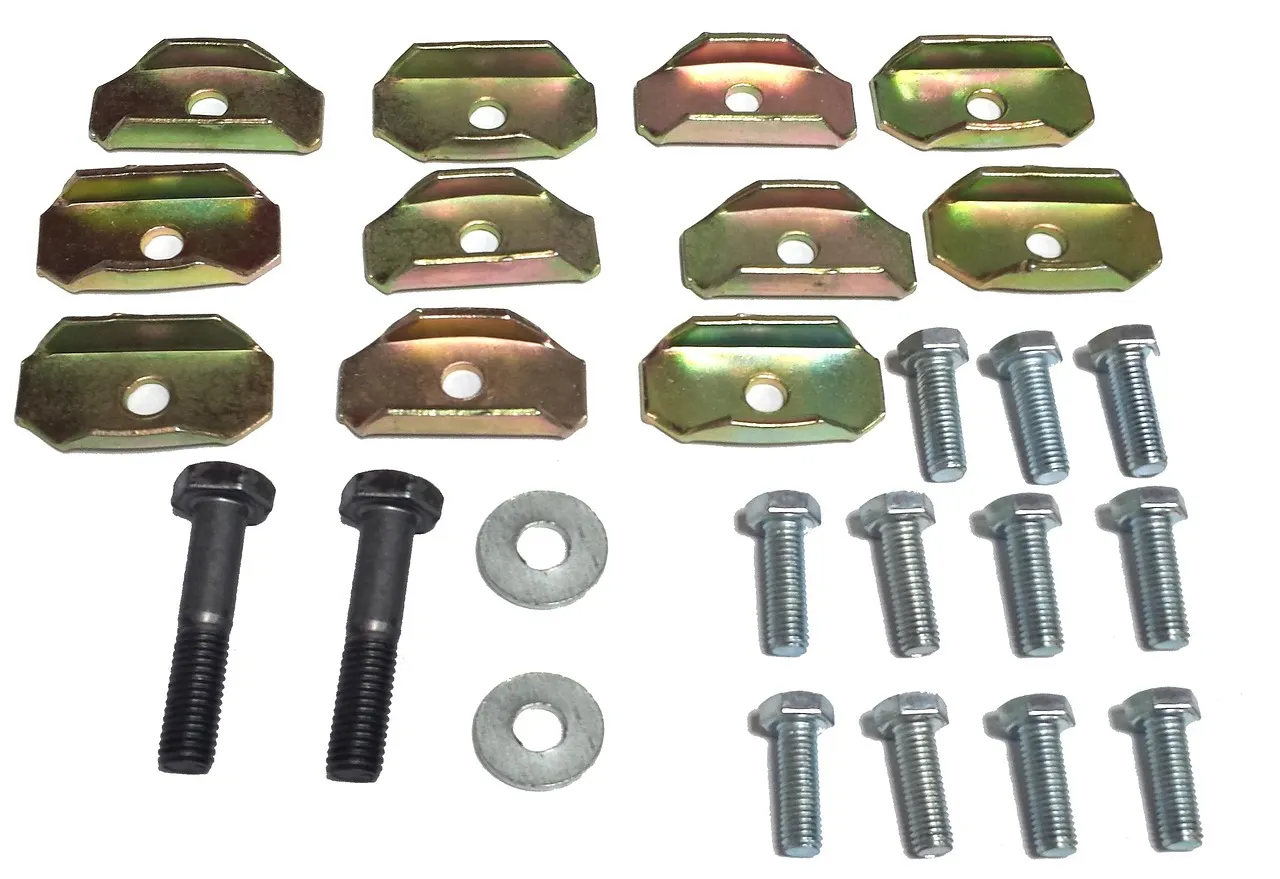
- Zinc plating suits most internal steel fasteners; use zinc-nickel for salt-spray exposure.
- Specify coating thickness in microns, not just a finish name, on the drawing.
- Plating adds days to lead time; barrel plating is faster and cheaper than rack plating.
- Ask for salt-spray hours and coating thickness reports with each lot.
- Confirm the plater's racking method before quoting small or threaded parts.
Custom fastener plating options decide how a screw, bolt or nut performs in the field. The finish controls corrosion resistance, torque consistency, electrical contact and appearance. It also changes cost and lead time. Buyers who specify plating clearly get fewer surprises at incoming inspection.
This guide covers the processes a contract manufacturer can arrange for custom fasteners, the tolerances that matter, and the questions to ask before you release a purchase order. It is written for design engineers and sourcing leads comparing suppliers.
At JX Manufacturing, custom fastener plating options are handled as part of the production quote. We machine or form the part in Dongguan, then route it to a controlled plating partner based on the finish you specify.
Which plating processes are used on custom fasteners?
Fastener plating falls into two families: electroplated coatings and mechanical or dip-spin coatings. Each has a different thickness range, corrosion profile and effect on thread fit.
Electroplating deposits metal from a bath. It gives thin, uniform coatings and works well on threaded parts. Mechanical plating tumbles parts with zinc powder and glass beads. It avoids hydrogen embrittlement, which matters for high-strength bolts.
Dip-spin coatings apply a zinc-flake layer. They suit parts that need high salt-spray resistance but cannot tolerate a brittle electroplated layer.
Fastener plating process comparison
The table below compares common finishes by corrosion resistance, typical thickness and best-fit applications. Use it to narrow the choice before you contact a supplier.
| Process | Typical thickness | Corrosion resistance | Best fit |
|---|---|---|---|
| Zinc electroplating | 5–15 µm | Moderate; improved with trivalent passivation | General internal steel fasteners |
| Zinc-nickel electroplating | 8–15 µm | High; suitable for under-hood and outdoor use | Automotive and marine-adjacent assemblies |
| Nickel plating | 5–20 µm | Good; also provides wear resistance | Electrical contacts and decorative parts |
| Mechanical zinc | 10–50 µm | High; no hydrogen embrittlement risk | High-strength bolts and spring steel |
| Zinc-flake dip-spin | 8–20 µm | Very high; often specified for chassis hardware | Parts needing long salt-spray life |
| Passivation (stainless) | Not a coating | Restores oxide layer after machining | Stainless steel fasteners |
What tolerances and thread fit should you specify?
Plating adds thickness to every surface, including thread flanks. A coating that is too thick can prevent a nut from running down a bolt. A coating that is too thin will not meet the corrosion target.
For threaded fasteners, specify the finished thread class after plating, not before. State the coating thickness range and let the supplier adjust the pre-plate thread dimensions. For a standard metric bolt, a 5–8 µm zinc layer rarely causes fit problems. A 15 µm zinc-nickel layer needs a pre-plate allowance.
Inspection should confirm coating thickness on the flanks and crests, not only on the shank. Ask for a coating thickness gauge report or a cross-section from a witness coupon.
Hydrogen embrittlement is a separate risk. High-strength fasteners above a defined hardness threshold should be baked after electroplating or switched to mechanical zinc. Confirm the baking window in the purchase order.
What drives the cost of custom fastener plating?
Plating cost is not only the bath chemistry. Several variables move the price, and they are worth understanding before you compare quotes.
- Part geometry: small parts with deep recesses need racking, which costs more than barrel plating.
- Coating thickness: thicker deposits take longer in the bath and consume more anode material.
- Finish type: zinc-nickel and zinc-flake coatings cost more than standard zinc.
- Lot size: barrel plating becomes economical at volume; small lots carry a setup charge.
- Pre-plate preparation: parts with heavy scale or tight tolerances need extra cleaning and masking.
- Inspection scope: salt-spray testing and thickness reports add cost per lot.
- Logistics: shipping fasteners to an external plater and back adds transit time and handling.
Ask for the cost breakdown by process step. A supplier who can explain the racking method and the thickness target is easier to audit than one who quotes a single number.
How long does plating add to fastener lead time?
Plating is usually a secondary operation after machining or cold heading. In a domestic supply chain, barrel plating adds several working days. Rack plating and specialty coatings can add more.
Lead time also depends on whether the plater runs the finish in-house or sends parts out. Ask the supplier to confirm the plating route and the transit time between each step.
For urgent programs, JX Manufacturing quotes custom fastener plating options alongside machining and can deliver globally in as few as 3 days for simple parts, depending on finish availability.
How do you choose and audit a fastener plating supplier?
Start with the process capability, not the price. A supplier who cannot hold the coating thickness will cost more in rejects and sorting.
Ask for these items before you place a first order:
- Plating process list and the thickness range each process can hold.
- Salt-spray test reports for the finish you intend to specify.
- Coating thickness measurement method and sampling frequency.
- Hydrogen embrittlement baking procedure for high-strength parts.
- Traceability from raw material lot to finished plating lot.
- Packaging method that protects the coating during transit.
During the audit, request a first-article inspection report that includes thread gauging after plating. Confirm the supplier measures the finished part, not the pre-plate blank. Review non-conformance records for coating defects such as blistering, flaking or bare spots.
JX Manufacturing works with qualified plating partners in the Dongguan area. We review their process sheets and inspection records as part of supplier approval, and we can share the relevant documents with your quality team.
How to send a fastener RFQ that gets an accurate quote
A complete RFQ reduces back-and-forth and prevents quoting errors. Include the drawing, material grade, thread class, plating process, coating thickness range and corrosion test requirement.
State the lot size and the annual volume if known. Note any restriction on hydrogen embrittlement or electrical conductivity. If the fastener is used outdoors, give the expected exposure environment so the supplier can recommend a finish.
You can upload CAD files and drawings through the JX Manufacturing quote form. Quotes are returned within 24 hours, and there is no minimum order quantity.
Conclusion
Custom fastener plating options are a specification decision, not an afterthought. Define the finish, thickness and test method on the drawing, then confirm the supplier can inspect to that specification. A clear RFQ and a documented plating route reduce rejects and protect the assembly.
Send your fastener drawings and plating requirements to JX Manufacturing for a quote within 24 hours.
FAQ
What is the best plating for steel fasteners?
Zinc electroplating with trivalent passivation suits most internal steel fasteners. For outdoor or under-hood use, zinc-nickel gives better corrosion resistance. High-strength bolts should use mechanical zinc to avoid hydrogen embrittlement. Match the finish to the exposure environment and the strength grade.
How thick should fastener plating be?
Typical ranges are 5–15 µm for zinc, 8–15 µm for zinc-nickel and 10–50 µm for mechanical zinc. Specify the range on the drawing and state the finished thread class. Thicker coatings need a pre-plate thread allowance so the nut still fits.
Does plating affect thread fit?
Yes. Plating adds material to the thread flanks and crests. A thick coating can tighten the fit or prevent assembly. Specify the thread class after plating and let the supplier adjust pre-plate dimensions. Inspect with thread gauges on the finished part.
Can you plate stainless steel fasteners?
Stainless fasteners are usually passivated rather than plated. Passivation restores the chromium oxide layer after machining and removes free iron. If a specific color or wear resistance is needed, nickel plating can be applied, but confirm the process with the supplier.
How much does custom fastener plating cost?
Cost depends on part geometry, coating thickness, finish type, lot size and inspection scope. Barrel plating is cheaper than rack plating for small parts. Ask for a cost breakdown by process step so you can compare quotes on the same basis.