
Key takeaways
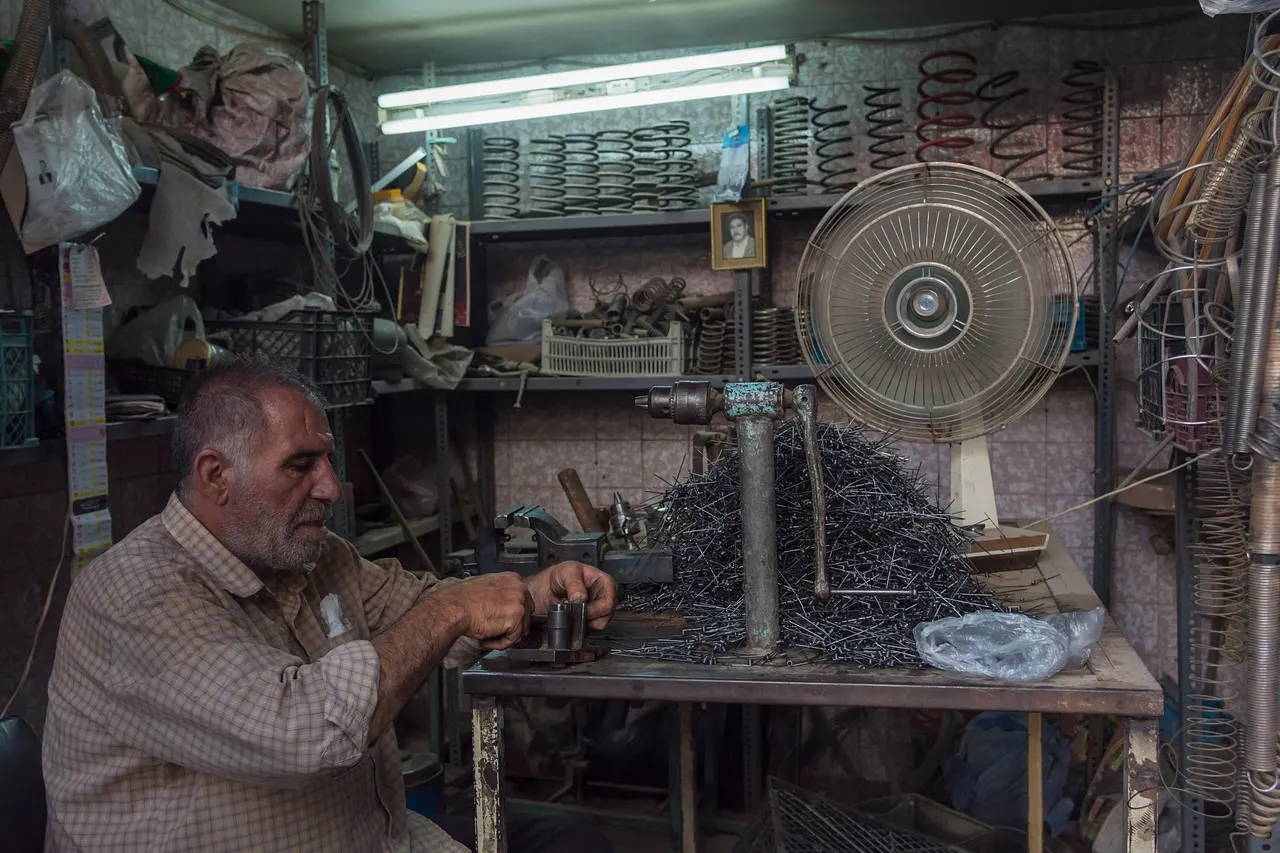
- Coil springs are formed by coiling wire, then heat treated, ground, shot peened and inspected.
- Spring rate depends on wire diameter, coil diameter and active coil count, not on finish.
- Standard coil diameter tolerance is roughly ±0.25 mm; load tolerance is usually ±10 percent.
- Wire grade, end type and shot peening are the largest cost drivers after raw material.
- Ask for load test data on first article samples, not just dimensional reports.
A coil spring is made by forming wire into a helix, then heat treating, grinding the ends, and testing the finished part for load and dimensions. Each step changes the spring's behavior, so the order matters. Skip a step and the spring may sag, fracture early or miss its rated load.
This guide explains how are coil springs made step by step, with the process details that decide whether a supplier can actually hold your print. It is written for design engineers and sourcing leads who are about to send a drawing out for quote.
You will see what each stage does, which tolerances are realistic, what drives cost, and what to check before you place an order. JX Manufacturing runs spring and wire-form production from its Dongguan factory alongside CNC machining and sheet metal work, so the same quality system covers the whole assembly.
Step 1: Wire selection and incoming inspection
Everything downstream depends on the wire. Music wire (ASTM A228) is the default for small compression springs. Stainless grades such as 302 and 316 suit corrosive or food-contact environments. Chrome-silicon and chrome-vanadium handle higher stress and fatigue cycles.
Incoming wire is checked for diameter and surface condition. A scratch or pit on the wire becomes a stress riser in the finished spring. Suppliers should hold mill certificates for each lot and record the heat number against your order.
Step 2: Coiling, the step that sets spring rate
Coiling forms the wire into a helix. Two methods dominate production.
- Cold coiling feeds wire through CNC cam or servo axes at room temperature. It suits wire up to roughly 12 mm and gives fast cycle times with tight repeatability.
- Hot coiling heats the wire before forming. It is used for large wire diameters and heavy-duty springs where cold forming would crack the surface.
Spring rate is fixed here. It depends on wire diameter, mean coil diameter and the number of active coils. Pitch, end type and free length are set on the same machine. Closed and ground ends are common for compression springs; open ends are cheaper but sit less squarely.
Step 3: Heat treatment and stress relief
Coiling leaves residual stress in the wire. A stress-relief cycle at controlled temperature removes it and stabilizes free length. Springs that skip this step tend to lose load after a few thousand cycles.
For high-fatigue parts, the sequence may include austenitizing, quenching and tempering to reach the target hardness. Temperature and time are recorded per batch. Ask for the furnace chart if the spring is safety-related.
Step 4: End grinding and surface finishing
Compression springs usually get their ends ground flat so they stand square under load. Grinding removes the wire's closed end and creates a bearing surface. Squareness and free length are measured after grinding, not before.
Finishing follows. Options include shot peening to raise fatigue life, preset or scragging to remove initial set, and coatings such as zinc plating, powder coating or phosphate. Each adds cost and lead time.
Step 5: Inspection, tolerances and load testing
Inspection is where a supplier proves the process. A basic control plan for coil springs covers these checks.
| Characteristic | Typical tolerance | Method |
|---|---|---|
| Wire diameter | ±0.02 mm on small wire | Micrometer, per lot |
| Outside diameter | ±0.25 mm standard | Optical comparator or caliper |
| Free length | ±0.5 mm standard, tighter on request | Height gauge |
| Load at specified height | ±10 percent typical | Load cell spring tester |
| Squareness | Under 2 degrees | Granite plate and dial indicator |
| Surface | No cracks, pits or seams | Visual, magnetic particle on critical parts |
Tighter tolerances are possible but cost more. Load tolerance below ±5 percent usually means 100 percent testing rather than sampling. For first articles, ask for a dimensional report plus load test data at working height, not just a drawing check.
What drives the cost of a custom coil spring?
Price comes from material, machine time and testing, in that order. Wire grade is the biggest single line. Stainless and chrome-silicon cost more than music wire, and small orders carry a minimum mill quantity.
Machine time depends on coil count, wire diameter and end configuration. A spring with many active coils runs slower per piece. Grinding, shot peening and preset add separate operations, each with setup time. Tooling is modest compared with injection molding, but low-volume runs still spread setup across fewer parts.
Testing is the quiet cost driver. Sampling inspection is cheap. One hundred percent load testing on every spring can double unit price on small parts. Tell the supplier which characteristic is critical so effort goes where it matters.
How do you choose and audit a coil spring supplier?
Start with process fit. A supplier set up for small precision springs may not hot-coil large wire, and vice versa. Ask what wire range their machines cover before sending a drawing.
Then audit the basics. Request these items and check that they are current.
- ISO 9001 certificate with the scope covering spring or wire forming
- Equipment list with coiling machine sizes and load tester capacity
- Sample inspection report and control plan for a similar part
- Material certificates traceable to your order lot
- Lead time and capacity statement, including peak-season constraints
Ask how they handle nonconformance. A supplier who can describe a containment and corrective action process is safer than one who promises zero defects. If the spring is part of an assembly, check whether they can also supply the housing, bracket or fastener. JX Manufacturing combines spring production with CNC machining, die casting and sheet metal fabrication, which shortens coordination on multi-part assemblies.
Lead time and what to prepare for an RFQ
Cold-coiled springs in common wire grades typically ship faster than hot-coiled or coated parts. Plating and heat treatment add outside processing time. Prototype quantities can move quickly; production volumes depend on wire availability.
To get an accurate quote within 24 hours, send the drawing with wire grade, free length, outside diameter, active coil count, end type, load at working height, finish and annual volume. State which tolerance is functional and which is reference. That single distinction often decides whether a quote is competitive.
Conclusion
Coil spring manufacturing is a short sequence of steps, but each one changes the finished load and life. Wire grade sets the ceiling, coiling sets the rate, and heat treatment and testing decide whether the part holds up in service.
If you have a spring drawing or a CAD file ready, send it to JX Manufacturing for a quote. No minimum order quantity, quotes within 24 hours, and delivery from Dongguan in as few as 3 days.
FAQ
How are coil springs made step by step?
Wire is selected and inspected, then coiled into a helix on a CNC or hot-coiling machine. The spring is heat treated to relieve stress, ends are ground flat, and the surface is finished or shot peened. Final inspection checks dimensions and load at working height before packing.
What is the typical tolerance for a custom coil spring?
Outside diameter usually holds ±0.25 mm and free length ±0.5 mm. Load at a specified height is commonly ±10 percent. Tighter load tolerance, such as ±5 percent, requires 100 percent testing and raises unit cost.
What is the difference between hot coiling and cold coiling?
Cold coiling forms wire at room temperature and suits wire up to roughly 12 mm with fast cycle times. Hot coiling heats the wire before forming, which is used for large diameters and heavy-duty springs where cold forming risks surface cracking.
What information do I need to send for a spring quote?
Send wire grade, free length, outside diameter, active coil count, end type, load at working height, finish and annual volume. Mark which tolerance is functional. That lets the supplier quote accurately, often within 24 hours.
How long does custom coil spring production take?
Cold-coiled springs in common wire grades move fastest. Plating, coating and heat treatment add outside processing time. Prototype runs are quicker than production volumes, which depend on wire availability and quantity.